

Desexing Your Pet
Desexing or neutering your pet is a surgical procedure that prevents them from being able to reproduce.
In male pets, it is commonly referred to as “castration”, and in female pets as “spaying”.
Desexing is a routine procedure at Port Douglas Vets, and most pets are ready to head home later the same day. Many pets are desexed between 4 and 6 months of age, although older pets can still undergo the procedure.
Desexing offers several benefits, including preventing unwanted pregnancies, reducing the risk of certain reproductive cancers and diseases, and eliminating heat cycles in females. It may also help reduce hormone-related behaviours such as roaming and some forms of aggression. Desexing can contribute to a healthier life for your pet and may also mean lower council registration fees.
Our vets can help you decide on the best time to desex your pet based on their breed, size and individual needs.
Will Desexing affect my pet’s personality?
Desexing shouldn’t change your pet’s core personality. They’ll still be the same playful, affectionate companion you know and love! You may notice a reduction in hormone-driven behaviours, such as roaming, urine marking or certain types of aggression, but every pet is different. Your pet’s temperament, training and environment all play a role in their behaviour.
FAQ’s
Should my female dog have a litter before being desexed?
No, there is no health benefit to allowing your dog to have a litter before being desexed. In fact, desexing before the first heat can help reduce the risk of mammary tumours and prevent serious conditions such as pyometra (a potentially life-threatening uterine infection). The ideal timing for desexing depends on your dog’s breed, size and individual needs, so our vets can help you decide what’s best for her.
Will my pet need to wear a cone?
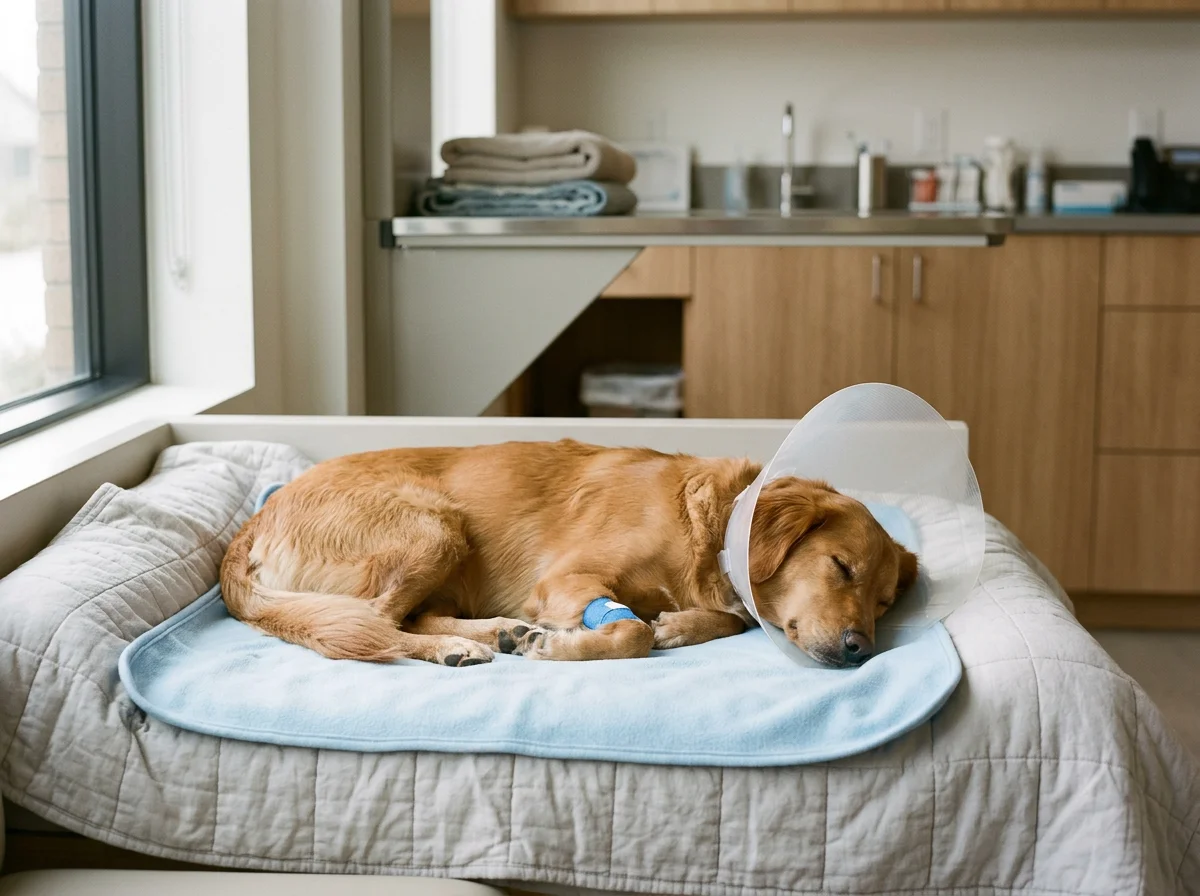
Your pet may need an Elizabethan collar or recovery suit to prevent licking or chewing at their incision. Keeping the surgical site protected is important for proper healing.
Will desexing cause my pet to gain weight?
Desexing can lower your pet’s energy requirements and may increase their tendency to gain weight, but it doesn’t mean they will automatically become overweight. With appropriate portion sizes, a balanced diet and regular exercise, your pet can maintain a healthy weight. We may recommend adjusting their food intake after desexing to suit their changing needs, and our team is always happy to help you find the right balance.
Is desexing painful?
Desexing is a surgical procedure, so some discomfort during recovery is normal. At Port Douglas Vets, we use appropriate anaesthesia, pain relief and careful monitoring to keep your pet as comfortable as possible throughout the procedure and recovery. Most pets recover well within 10–14 days, with rest, restricted activity and following their aftercare instructions helping them heal comfortably.
Will my dog lose their guarding instincts after being desexed?
Desexing is unlikely to change your dog’s natural protective instincts or their ability to guard your home. Your dog’s personality, training and breed play a much bigger role in their guarding behaviour. While desexing may reduce certain hormone-driven behaviours, such as roaming or some types of aggression, it shouldn’t stop your dog from being alert or protective of their family.
Is desexing safe?
Desexing is a commonly performed procedure, and our team takes care to minimise risks through appropriate anaesthesia, monitoring and pain relief. As with any surgery, there are some risks, which your vet can discuss with you.
Can my female be desexed while she is in heat?
It may still be possible, but surgery can be more complex while a female is in heat due to increased blood supply to the reproductive organs. Let us know if your pet is in season so our vets can advise on the safest timing.
Before & After Surgery
After surgery:
Keep your pet restrained and quiet as the effects of anaesthetic can take some time to wear off completely.
Keeping them quiet is also essential to allow the wound to heal.
Food and water should be limited to small portions only on the night after surgery.
Follow any dietary instructions the vet has provided.
Ensure all post-surgical medications (if any) are administered as per the label instructions.
Ensure your pet’s rest area is clean to avoid infection.
Check the incision at least twice daily for any signs of infection or disruption (eg. bleeding, swelling, redness or discharge). Contact the vet immediately if these symptoms appear. Do not wait to see if they will spontaneously resolve.
Prevent your pet from licking or chewing the wound. Special cone-shaped collars assist with this problem. A single chew can remove the careful stitching with disastrous effects.
Ensure you return to us on time for routine post-operative check-ups and removal of stitches.
Before surgery:
Make a booking for your pet’s operation.
If your pet is a dog, wash them the day before surgery, as they are unable to be washed after until the stitches are removed.
Do not give your pet food after 8 pm the night before the operation and do not give them any water after 8 am on the day of surgery.
A blood test may be performed prior to surgery to check vital organ function.
The vet will perform a thorough physical examination before administering an anaesthetic.
Some pets will require intravenous fluid support during surgery. This will be discussed with you before the procedure.
To ensure your pet is as comfortable as possible, all pets receive pain relief prior to desexing and to take home for a few days after the procedure.